To mark the Day of Dispersed Hungarian Communities, the Rákóczi Association held the Halzl József Memorial Conference and Award Ceremony at the Hungarian Academy of Sciences in Budapest on 15 November 2026. This year’s conference explored the theme “Education in Dispersed Hungarian Communities in the Carpathian Basin: Future Perspectives from Small Villages to Major Cities”.
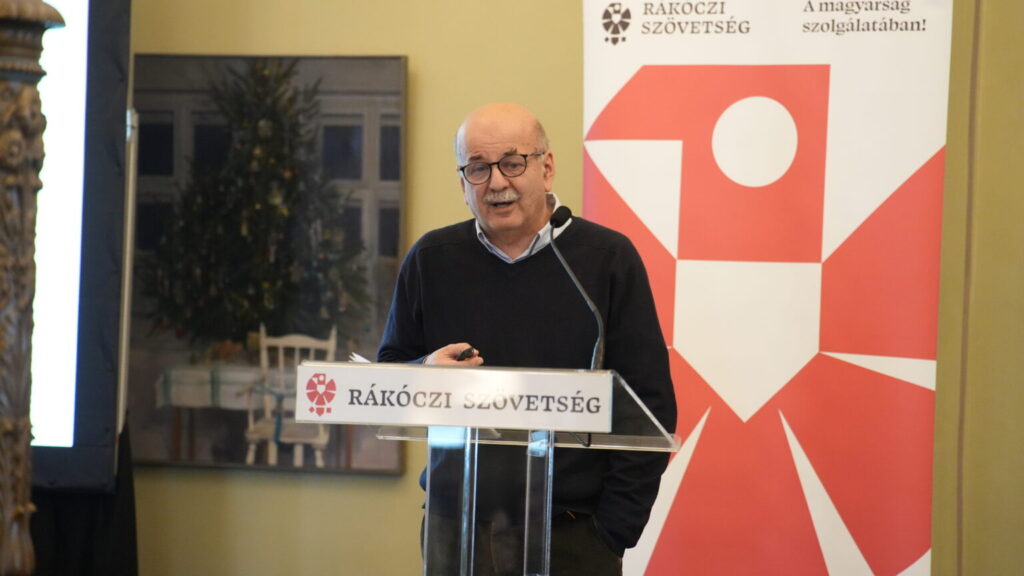
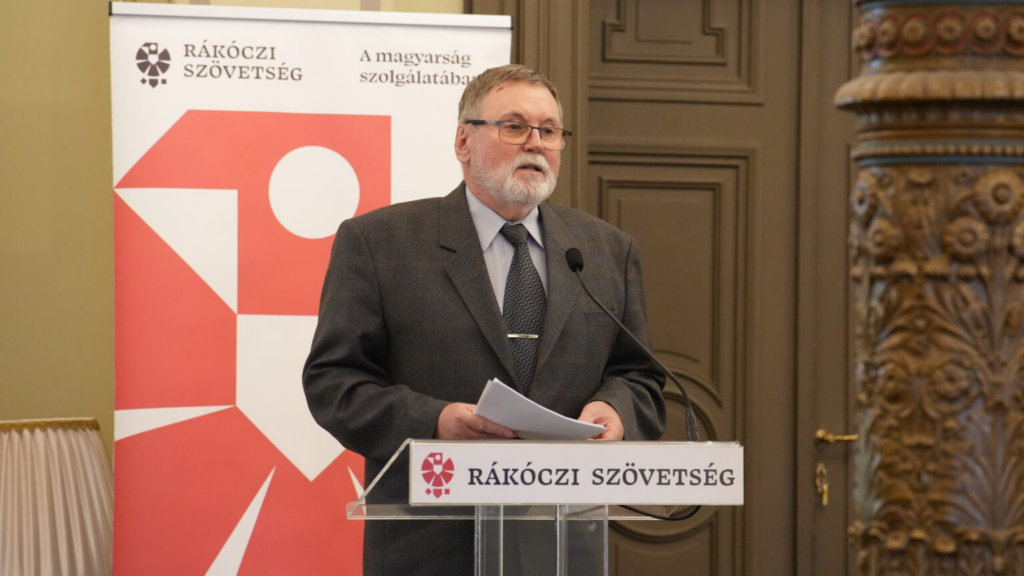
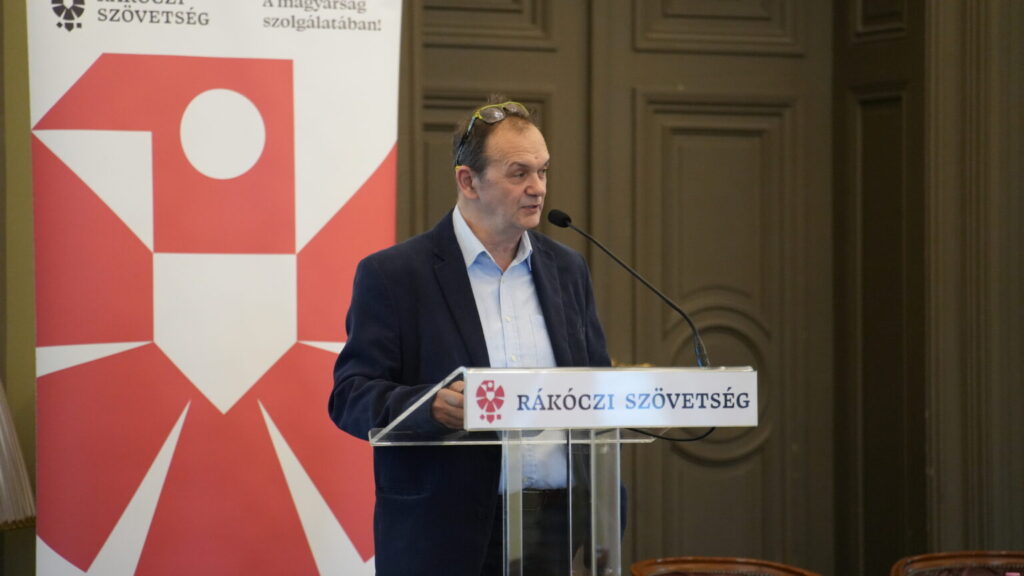
The academic programme opened with a keynote address by Nándor Bárdi, Head of Department at the Institute for Minority Studies of the Centre for Social Sciences. László Vetési, a Reformed pastor, researcher of dispersed Hungarian communities and sociographer, discussed the situation of these communities and their educational institutions in Transylvania, highlighting the risks of community erosion and the prospects for survival. Attila Papp Z., Research Professor and Director of the Institute for Minority Studies at the Centre for Social Sciences, examined the role of small schools and schools serving dispersed Hungarian communities within the network of Hungarian-medium public education outside Hungary, providing a broader framework for comparing educational conditions across regions.
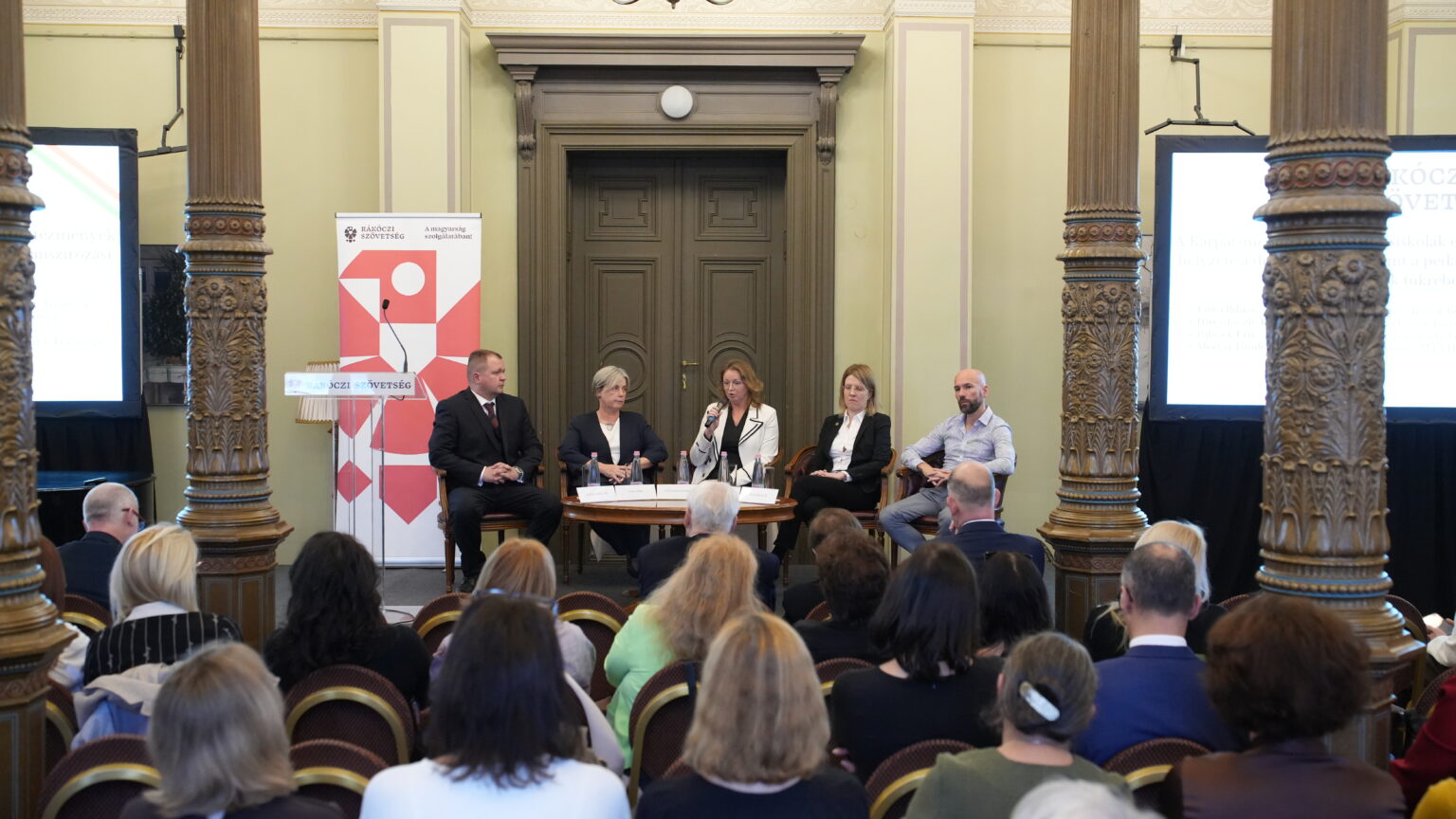
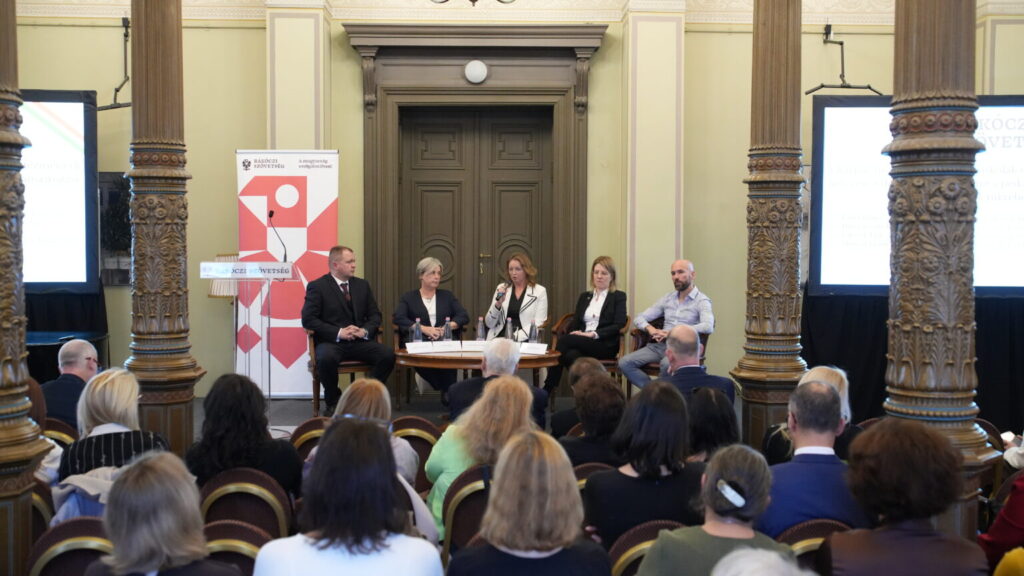
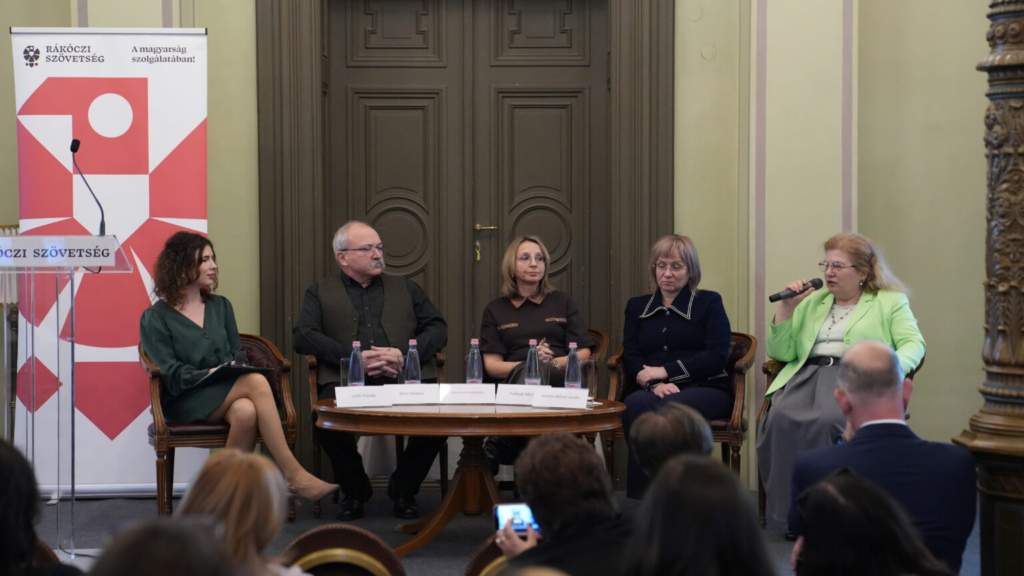
The panel discussion entitled “Hungarian Small Schools and Educational Institutions Serving Dispersed Communities in the Carpathian Basin: Demographic Trends and Pedagogical and Funding Reforms” was moderated by Ferenc Sullivan. The participants were Kornélia Hires-László, sociologist and Head of the Hodinka Research Centre; Tünde Morvai, minority researcher and Head of the Secretariat of Hungarians Abroad at the Hungarian Academy of Sciences; Ildikó Erdei, university lecturer and Principal of the Bartók Béla Theoretical High School in Timișoara; and Erik Palusek, sociologist and researcher at the Research Institute for Hungarian Communities Abroad.
In presenting the situation in Transcarpathia, Kornélia Hires-László synthesised findings from several research projects conducted at the Hodinka Research Centre. The discussion drew on linguistic studies, family and youth research, as well as the results of the KOMP competency assessment and data from its background questionnaires. Bringing together the latest findings from research conducted after 2022 made it possible to examine educational issues in relation to family background, language use, and young people’s circumstances and values.
Also attending the event was Mária Takács, coordinator of the programme supporting dispersed Hungarian communities at the Transcarpathian Hungarian Pedagogical Association (KMPSZ). Gabriella Imszticsei, Principal of the Hungarian-medium Reformed Boarding Lyceum in Tiachiv, shared her experiences in the panel discussion entitled “Where Next for Hungarian Education? – Future Perspectives from School Leaders and Education Administrators”. The Transcarpathian contributions thus brought together research findings and practical experience in education provision for dispersed communities and school management.
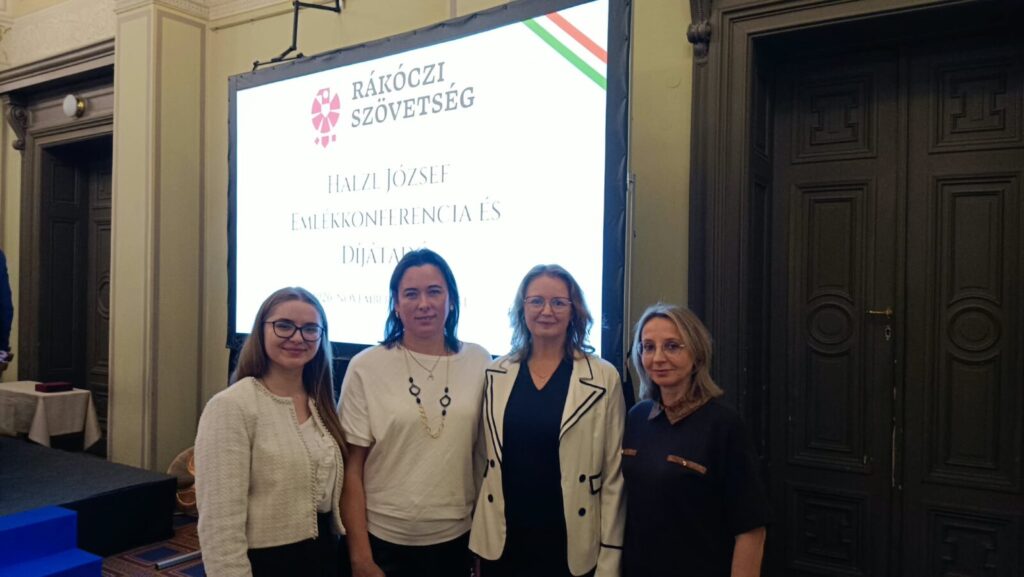
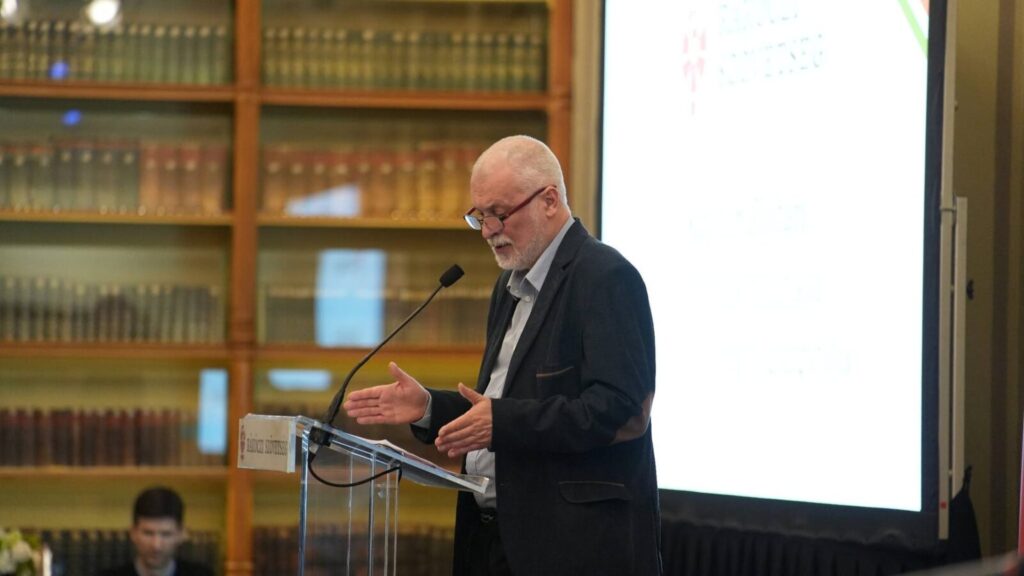
The academic programme concluded with remarks by Zoltán Kántor, Director of the Research Institute for Hungarian Communities Abroad. His synthesis placed the presentations and panel discussions within a broader social context and theoretical framework, connecting experiences across regions. These closing reflections provided a comprehensive framework for understanding education in dispersed Hungarian communities and offered valuable conclusions for researchers, teachers and their professional representative bodies.
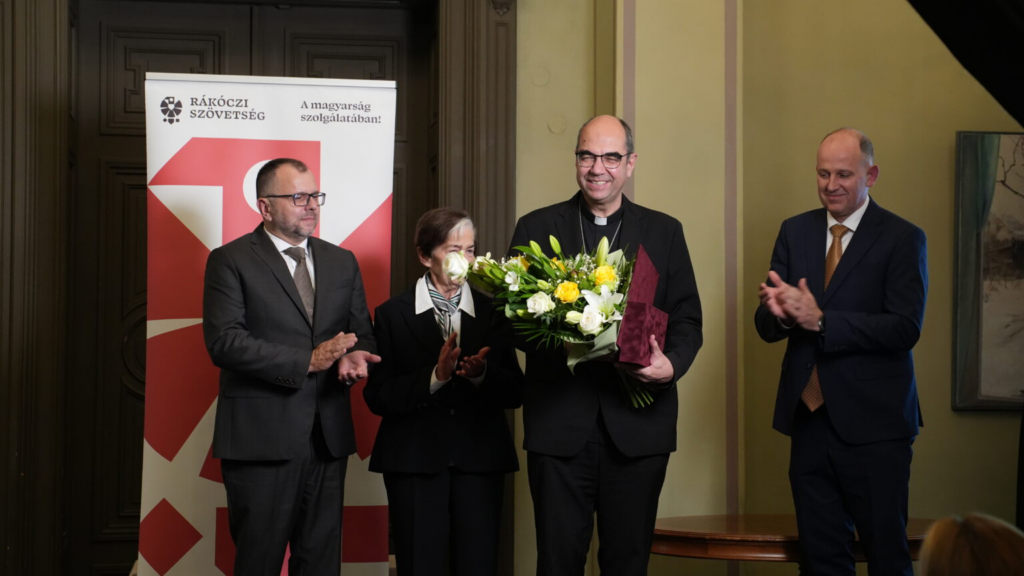
The event concluded with an award ceremony at which János Székely, Roman Catholic Bishop and President of the Hungarian Catholic Bishops’ Conference, received the Halzl József Award in recognition of his service to Christianity, the Rákóczi Association and Roma communities.