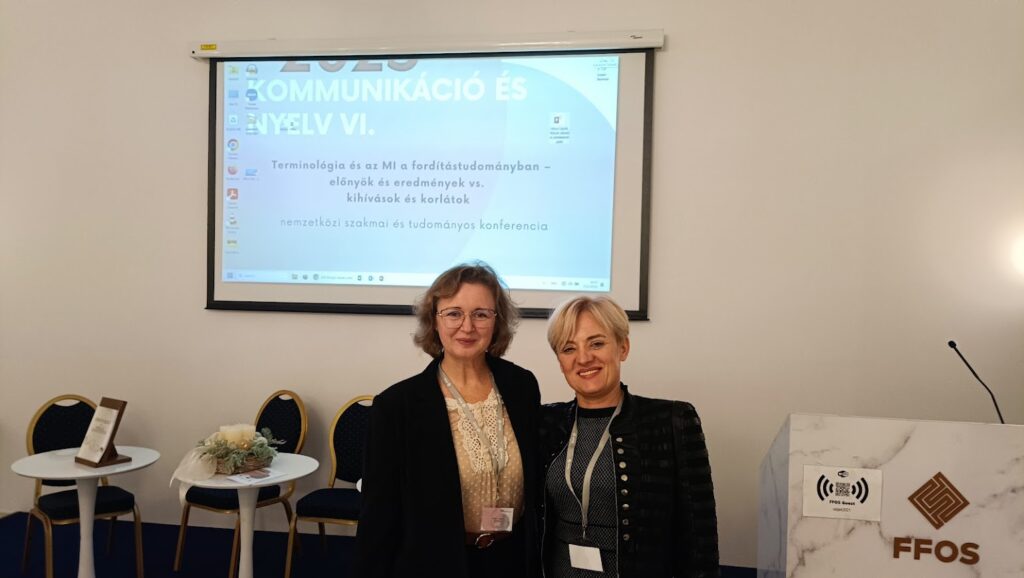
Researchers of the Hodinka Research Centre, Kornélia Hires-László and Krisztián Váradi, participated in the international conference Communication and Language VI: Terminology and AI in Translation Studies, held in Osijek in 2025. This year’s event focused primarily on issues of translation, bilingualism and language shift. The conference brought together researchers from several countries to discuss linguistic and communicative phenomena in the Central European region, with particular attention to questions of language policy, educational terminology and translation studies.
The plenary lectures addressed the challenges faced by multilingual societies, the theoretical considerations behind translation decisions, and the growing role of digital communication. Speakers emphasised that rapid social and technological changes require new approaches to the development of language databases, terminologies and translation processes.
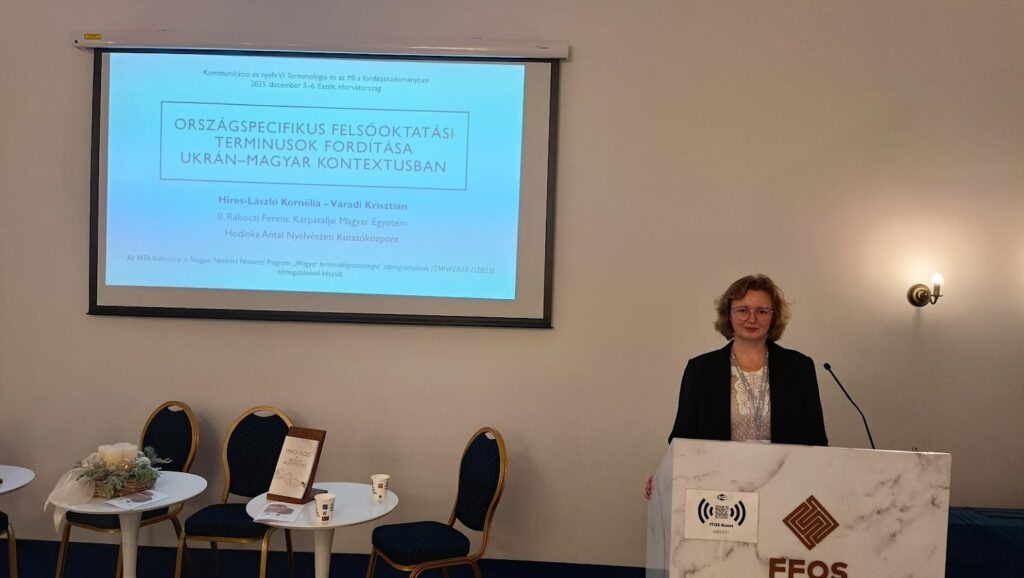
In their presentation titled “Translation of country-specific higher education terms in the Ukrainian–Hungarian context”, the Transcarpathian researchers introduced the aims and results of the four-year Hungarian Terminology Strategy sub-programme (TMNP2023-1/2023), supported by the Hungarian Academy of Sciences and launched in December 2023. The project aims to compare the educational terminologies of seven countries in the Carpathian Basin with Hungarian minorities and to create new term candidates where conceptual gaps exist.
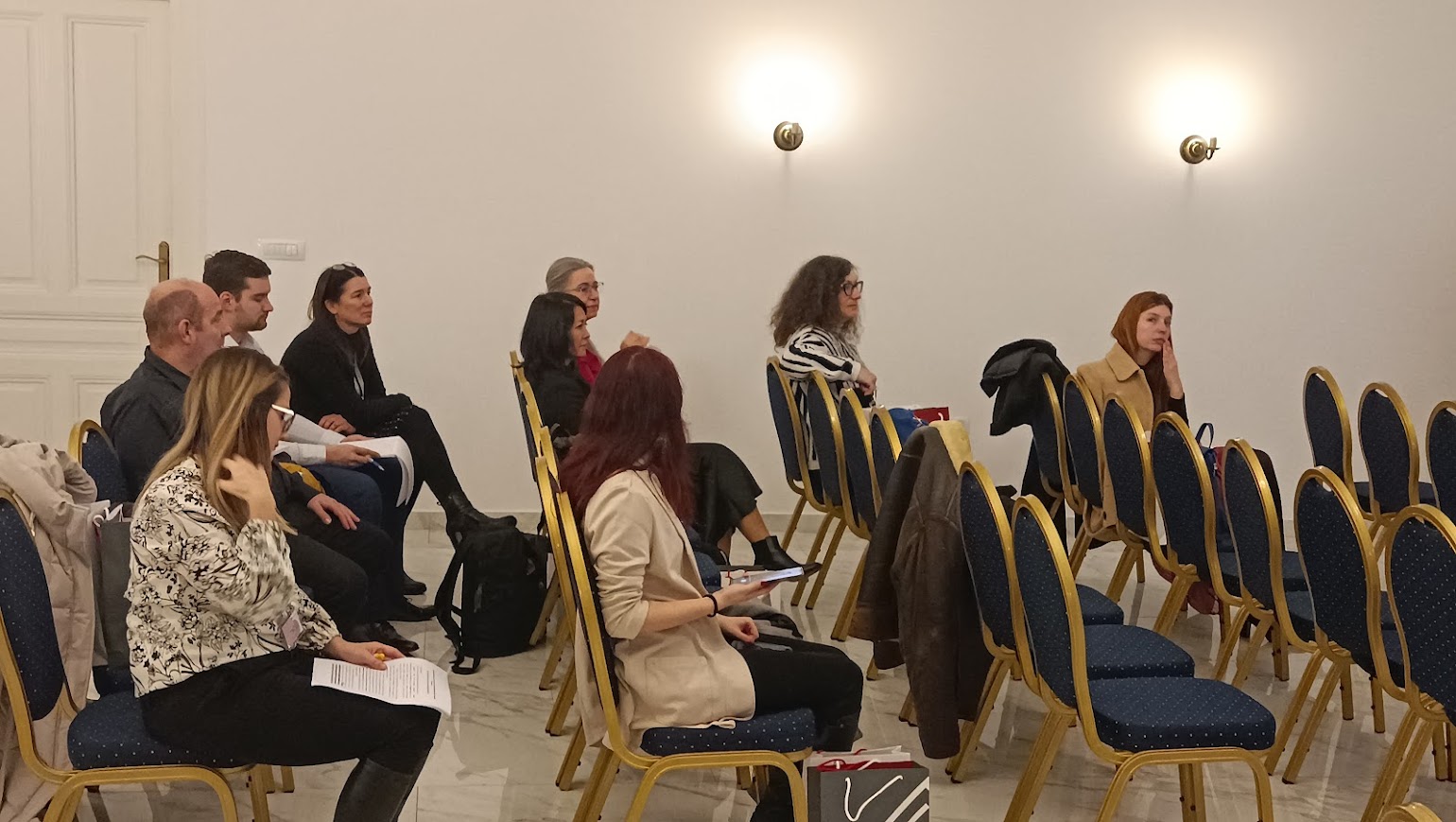
The presentation offered a detailed overview of the emerging educational terminology database, which classifies concepts into three categories: full equivalence, partial equivalence and lack of equivalence. Researchers of Rákóczi University illustrated with concrete examples what translation strategies can be applied when creating Hungarian equivalents for Ukrainian higher education terms, and how conceptual correspondence can be ensured within the target-language system.
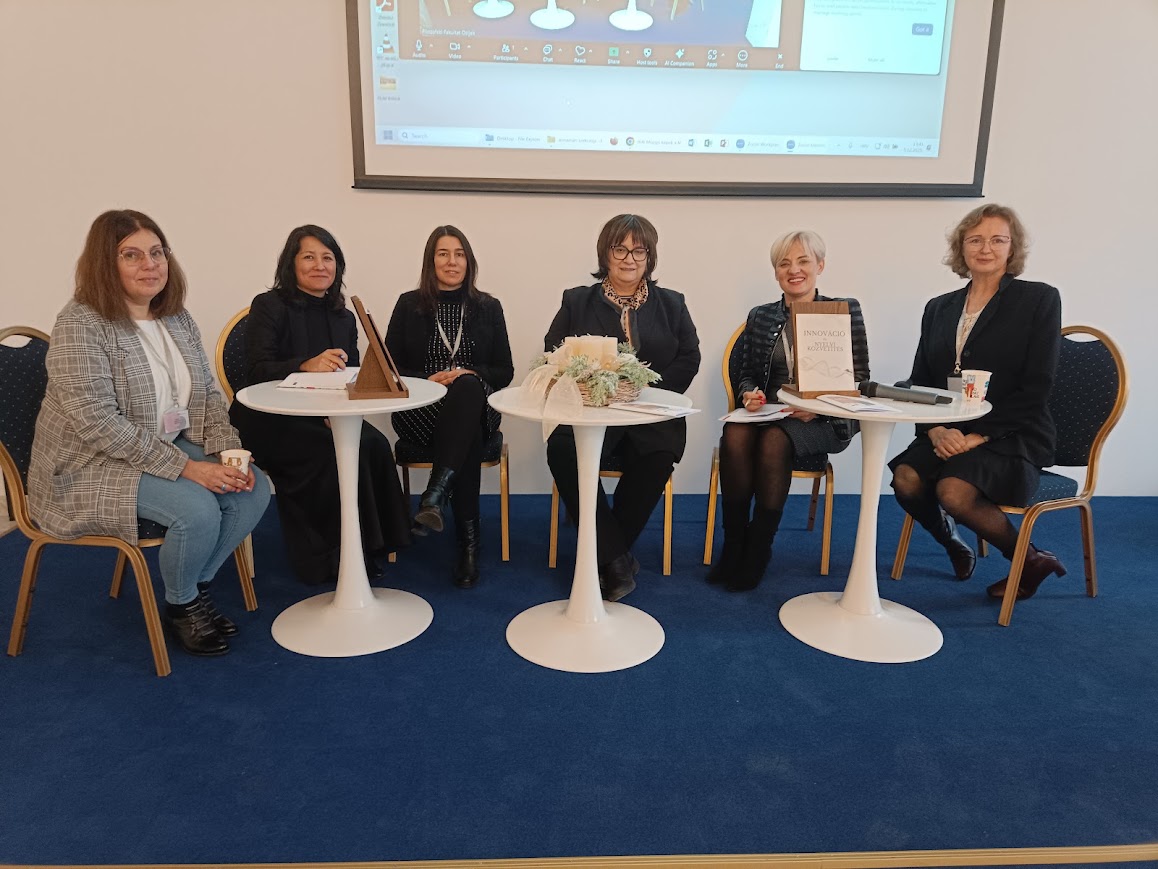
During the conference break, a separate professional meeting also took place. Regional representatives of the Hungarian Terminology Strategy project — including experts from Transcarpathia, Vojvodina, Southern Slovakia, Transylvania and Hungary — reviewed their experiences with database development and discussed the next phases of the work for the coming year. The meeting provided an opportunity for participants to harmonise terminology methodology and address the challenges of international terminology harmonisation.
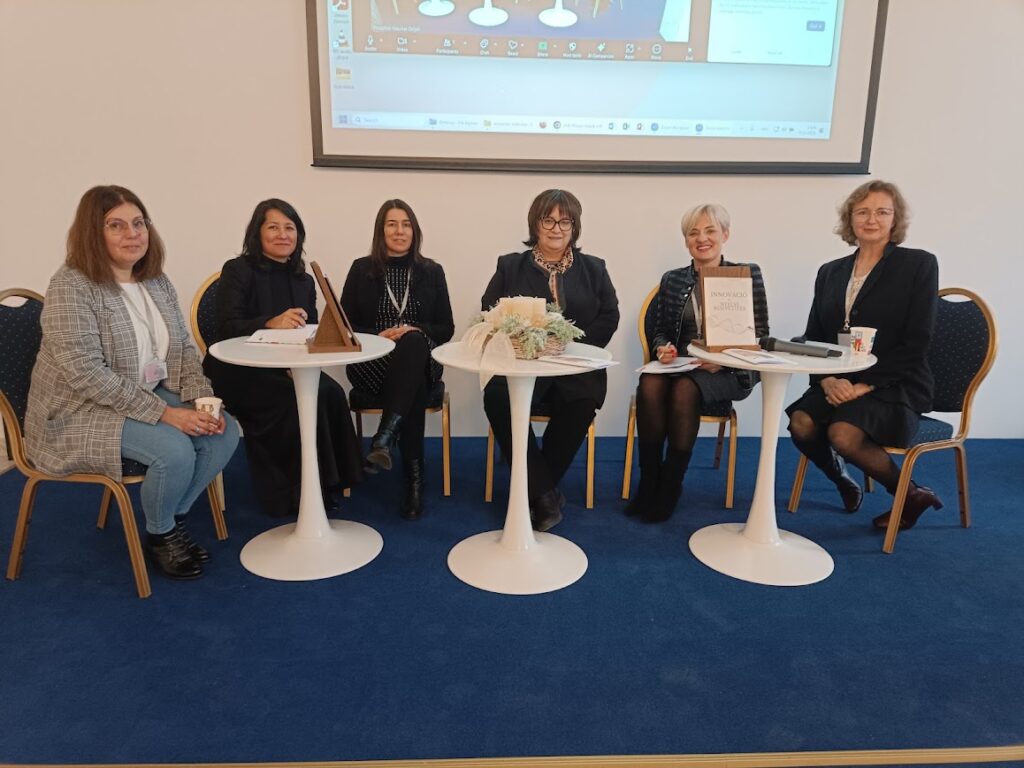
The full programme of the conference and further information are available on the website of the Glotta Language Institute. The staff of the Hodinka Research Centre express their gratitude for the opportunity to participate and present the project’s results, and warmly congratulate the organisers on hosting a successful and high-quality professional conference.